What Age Do Kids Get Braces?
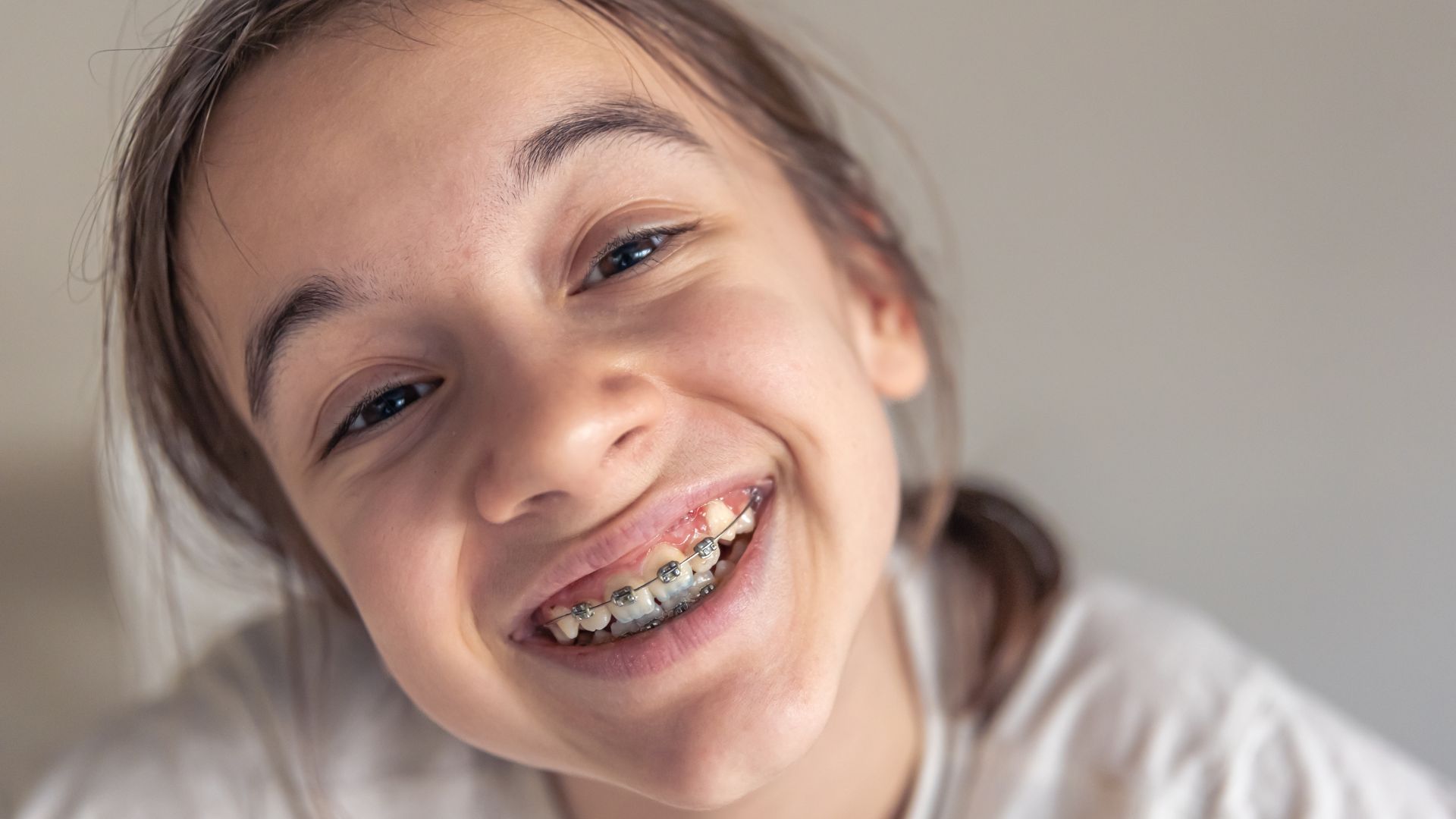
If you're a parent wondering what age do kids get braces, you're asking the right question at the right time. Most children get braces somewhere between ages 9 and 14, which is considered the average age for braces, but the answer depends more on your child's specific situation than on a number. This article covers the typical age range, the reasons braces are recommended, how long treatment takes, and which types tend to work best for children and teens so you can walk into your child's first orthodontic visit feeling prepared.
At What Age Do Kids Typically Get Braces & Why Are They Needed?
The American Association of Orthodontists recommends that children have their first orthodontic evaluation by age 7. While braces age 7 or 8 is rarely the right call for full treatment, that visit gives the orthodontist a chance to catch issues early. An orthodontist can begin monitoring how the jaw and permanent teeth are developing while there's still time to intervene if something needs attention.
Full braces most commonly begin between ages 10 and 14, according to Wax Orthodontics. By this point, most baby teeth have fallen out, the permanent teeth are in or coming in, and the jaw is still actively growing, which makes it more responsive to treatment. Starting in this window often produces better results in less time.
The reasons a child might need braces vary, and knowing “when do kids need braces?” often comes down to what's happening in their mouth right now. Here are the most common ones.
Crowded Teeth
Crowding is the most frequent reason kids get referred to an orthodontist. It happens when there isn't enough room in the jaw for all the permanent teeth to come in straight. Beyond aesthetics, crowded teeth are harder to clean properly and more prone to cavities over time. Crowding is also one of the earliest signs a child needs braces that parents can spot at home. According to Smile Studio Ortho, crowding is the leading driver of orthodontic referrals for children between ages 9 and 13.
Pain Relief
Misaligned teeth and an uneven bite can put stress on the jaw joints and surrounding muscles. Some children experience jaw discomfort, frequent headaches, or difficulty chewing as a result. Correcting the alignment often relieves that pressure. If your child has been complaining about jaw pain or says it hurts to bite down, it's worth mentioning at their next checkup.
Overbite & Underbite
An overbite is when the upper front teeth extend noticeably past the lower front teeth. An underbite is the reverse. Both affect how a child chews and speaks, and both are generally easier to treat when caught during the years the jaw is still growing. According to AW Braces, early correction can prevent these bite issues from becoming more complex structural problems down the road.
Crossbite
A crossbite means some upper teeth sit inside the lower teeth instead of outside them. It can involve a single tooth or several. When it affects the back teeth, it can gradually cause the jaw to shift to one side. Early treatment, sometimes before full braces begin, can prevent that shift from worsening as the child grows.
Open Bites
An open bite occurs when the upper and lower front teeth don't meet when the mouth is fully closed. It can affect speech and make it difficult to bite into certain foods. Open bites are often connected to prolonged thumb-sucking or pacifier use and tend to respond well to treatment while the jaw is still developing.
To Increase Confidence
Not every reason is clinical. According to Rank My Dentist, a significant portion of patients seek orthodontic treatment primarily because of how their smile affects their confidence. For kids who are self-conscious about their teeth, getting treatment before high school can make a real difference in how they carry themselves through those years. That's a legitimate reason to start.
How Long Do Braces Take To Straighten Teeth?
Treatment length varies by case. For most children and teens, braces are worn for somewhere between 12 and 24 months. Straightforward cases, like mild crowding or minor spacing, may be treated within a year. Cases involving significant bite correction or jaw alignment typically take longer.
A few factors that influence how long treatment takes:
- The severity of the misalignment at the start of treatment
- Whether any early Phase 1 treatment was completed beforehand
- How consistently the patient wears rubber bands or other appliances as directed
- How well the patient maintains oral hygiene throughout treatment
At Ortho 99 Plus 1, Dr. Justin McDaniel and Dr. McEuen give every patient a treatment estimate at their free consultation.
What Are The Best Type Of Braces For Children & Teens?
The right choice depends on your child's orthodontic needs, their age, and how much responsibility they're ready to take on. Knowing the best age to get braces for your child specifically is something Dr. McDaniel and Dr. McEuen walk through at every free consultation.
Traditional Metal Braces
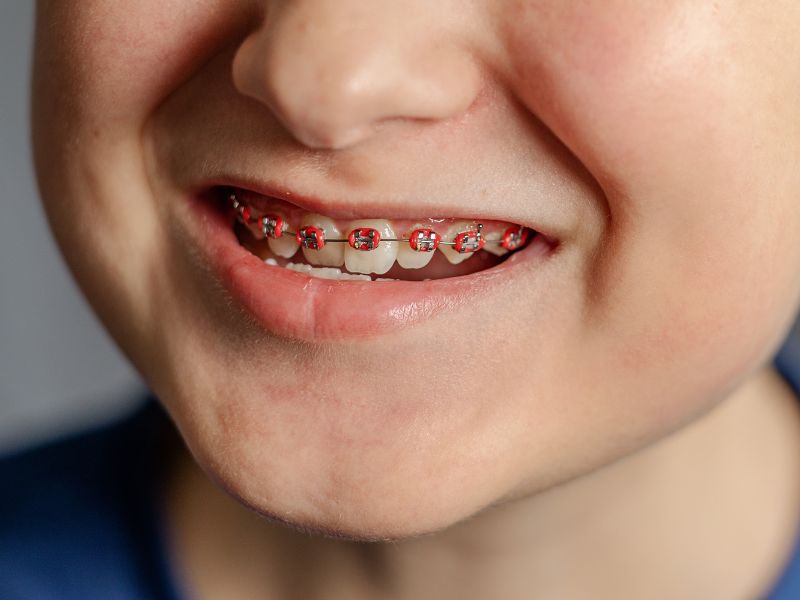
Metal braces are the most common choice for children and teens. They're durable, precise, and effective across a wide range of cases, from simple crowding to more complex bite corrections. Modern brackets are smaller and more comfortable than older models, and the colored elastics give kids a chance to personalize their look. For active kids, metal braces hold up well.
Ceramic Braces
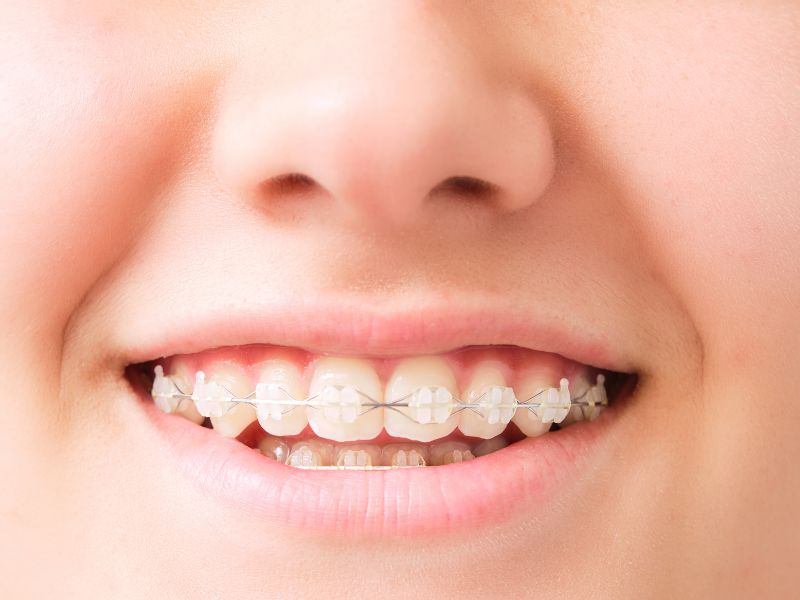
Ceramic braces work the same way as metal braces but use tooth-colored or clear brackets that blend in more naturally with the teeth. They're a popular option for teens who want a less noticeable look without giving up the precision of traditional braces. They do require a little more care to avoid staining, so they tend to be a better fit for older teens who are diligent about what they eat and drink.
Invisalign for Teens

Invisalign uses a series of clear, removable aligners to move teeth gradually into position. There are no wires, no brackets, and it's easier to keep clean. The tradeoff is compliance. The aligners need to be worn 20 to 22 hours a day for treatment to stay on track. For motivated teens who take that seriously, Invisalign can be a genuinely good fit. For younger children who may not be ready for that responsibility, traditional braces usually produce more consistent results.
All three options are available at Ortho 99 Plus 1, and all of them start at $99 a month. The right orthodontics age for kids varies, but your child's free consultation includes a recommendation based on what actually makes sense for their specific case.
When To Speak To An Orthodontist
So what age do kids get braces? For most children, the ideal window for active orthodontic treatment is between 10 and 14, though at what age children can get braces varies depending on jaw development and how many permanent teeth have come in. Common reasons for treatment include crowding, overbite, underbite, crossbite, open bite, jaw pain, and the very real value of confidence in a child's smile. Treatment typically runs 12 to 24 months, and the best type of braces depends on your child's age, the complexity of their case, and how much they're ready to take on.
If you're in the Jacksonville area and ready to take the next step, contact Ortho 99 Plus 1 to schedule a free consultation. No down payment. No records fees. No credit check. We have four locations across Jacksonville, and we'd love to be the practice that shows up for your family.
What Age Do Kids Get Braces: FAQs
About Ortho 99 Plus 1

We're proud to provide expert orthodontic care in a welcoming, family-friendly environment across Jacksonville, FL. Our goal is simple: beautiful, healthy smiles that last a lifetime.
Learn more about usRecent Posts

How Does Invisalign Work? What You Need To Know
July 31, 2026

Schedule a Consultation at Ortho 99 Plus 1
At Ortho 99 Plus 1, we are proud to provide orthodontic care that is modern, personalized, and focused on long-term success.
We would love to welcome you in for a consultation and help you take the next step toward a healthier smile.