How to Brush Your Teeth with Braces and Not Damage Them
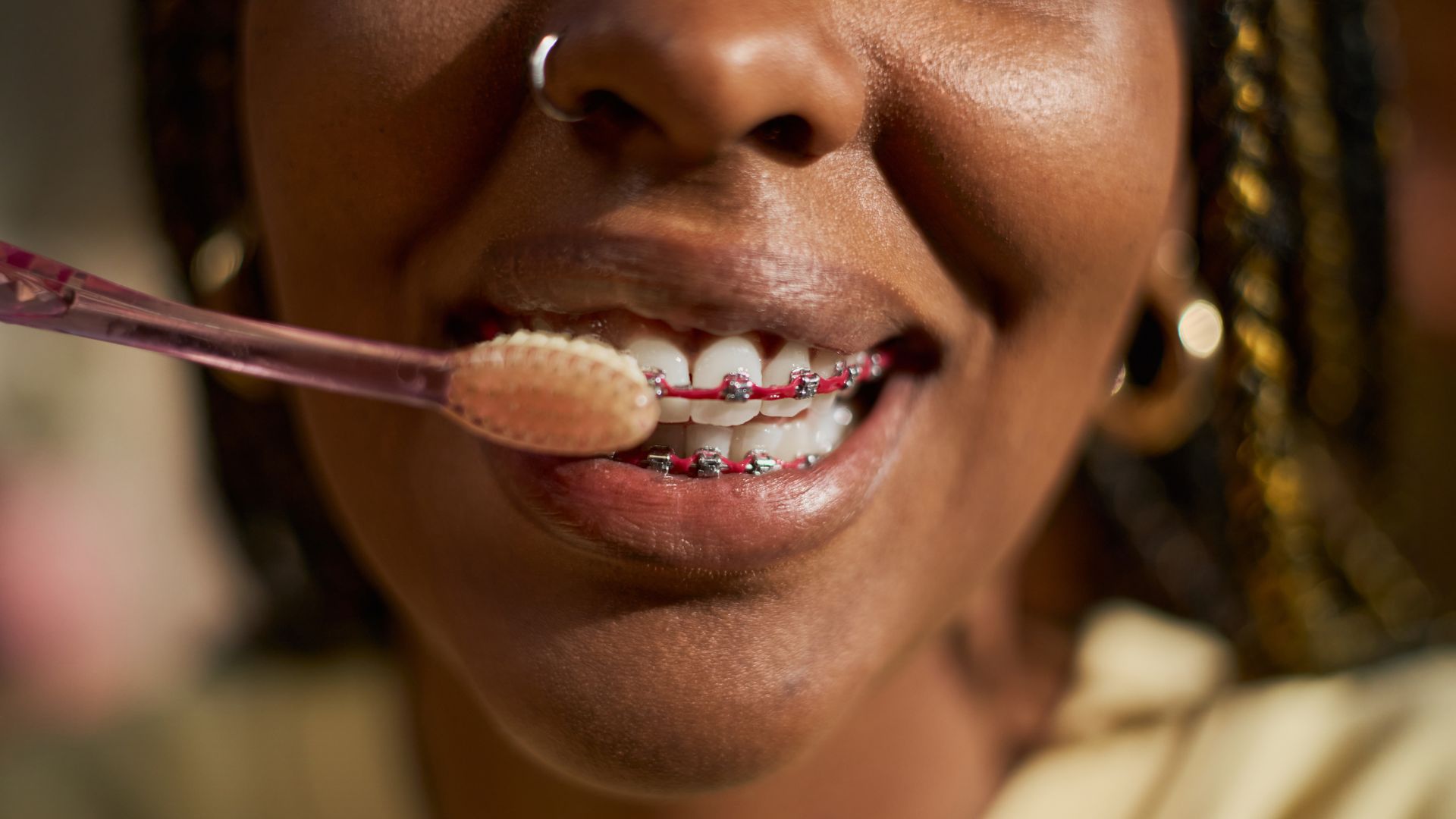
Metal braces with brackets can prove to be challenging in a number of different inconvenient ways. For one thing, braces make it harder to brush your teeth effectively. Those brackets get in the way of a good portion of your teeth. Keeping your teeth clean and healthy can prove to be difficult with braces in the way. Also, you risk causing damage to your brackets and wires by brushing too hard. If you have braces, you should learn the most effective techniques for carefully brushing your teeth without harming your brackets and wires.
{{ORTHO_TAKEAWAYS}}
Why Brushing with Braces Requires Extra Care
People with metal braces need to be a little more cautious while brushing. The last thing you want to do is cause damage to the brackets and wires that are essential to the treatment of your misaligned teeth. Brush your teeth too hard and you could be making an extra trip back to the orthodontist to fix your braces. When brushing your teeth, you need to be careful and take it easy around your brackets and wires.
Choose the Right Toothbrush
On top of being careful, patients need to be sure they’re using a proper toothbrush on their teeth. Not all toothbrushes will provide the gentle brushing treatment you need to safely clean around your braces. Some toothbrushes are rougher than others, making them risky to use around brackets and wires. The three main kinds of toothbrushes – soft-bristled toothbrushes, orthodontic toothbrushes, and electric toothbrushes – all brush your teeth in different manners. Do you know which one is right for your braces? Also, no matter which toothbrush you’re using, you should make sure to swap brushes on a regular basis.
Soft-Bristled Toothbrush
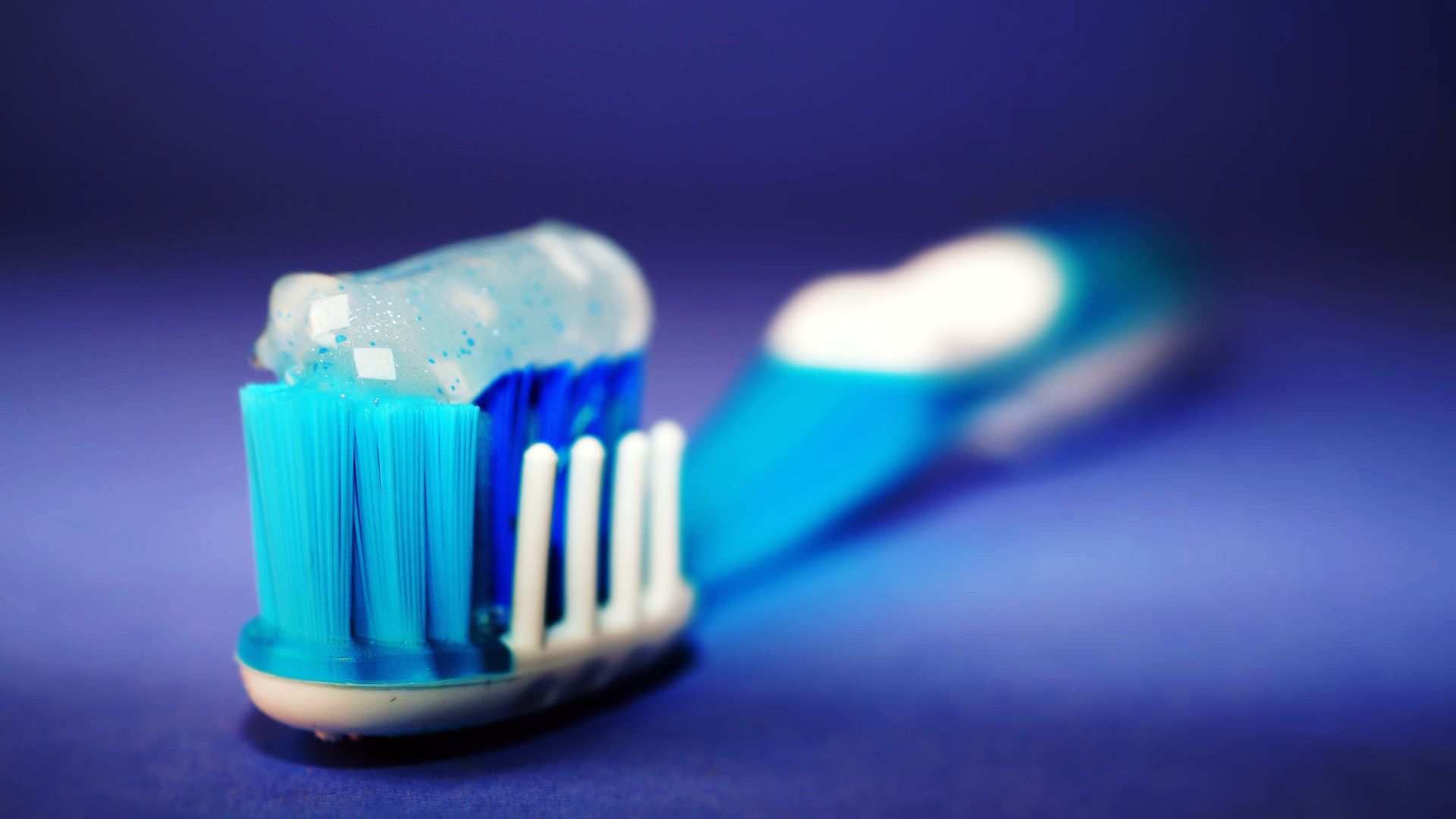
Making sure you have a soft-bristled toothbrush is the best thing you can do for your braces. A soft-bristled toothbrush has gentle bristles, meaning they won’t damage your brackets or wires when brushing over them. The soft bristles are also gentle on your gums, which will help you avoid irritation and possible gum recession. Brush above and below the brackets and wires on your teeth using a slow, circular motion to avoid being too rough on your hardware.
Orthodontic Toothbrush
Using an orthodontic toothbrush will effectively remove food and bacteria from the brackets and wires on your teeth without damaging them by using short inner bristles and long outer bristles. These V-shaped bristles can clean your teeth and around your brackets at the same time. An orthodontic toothbrush is designed to care for teeth with braces.
Electric Toothbrush
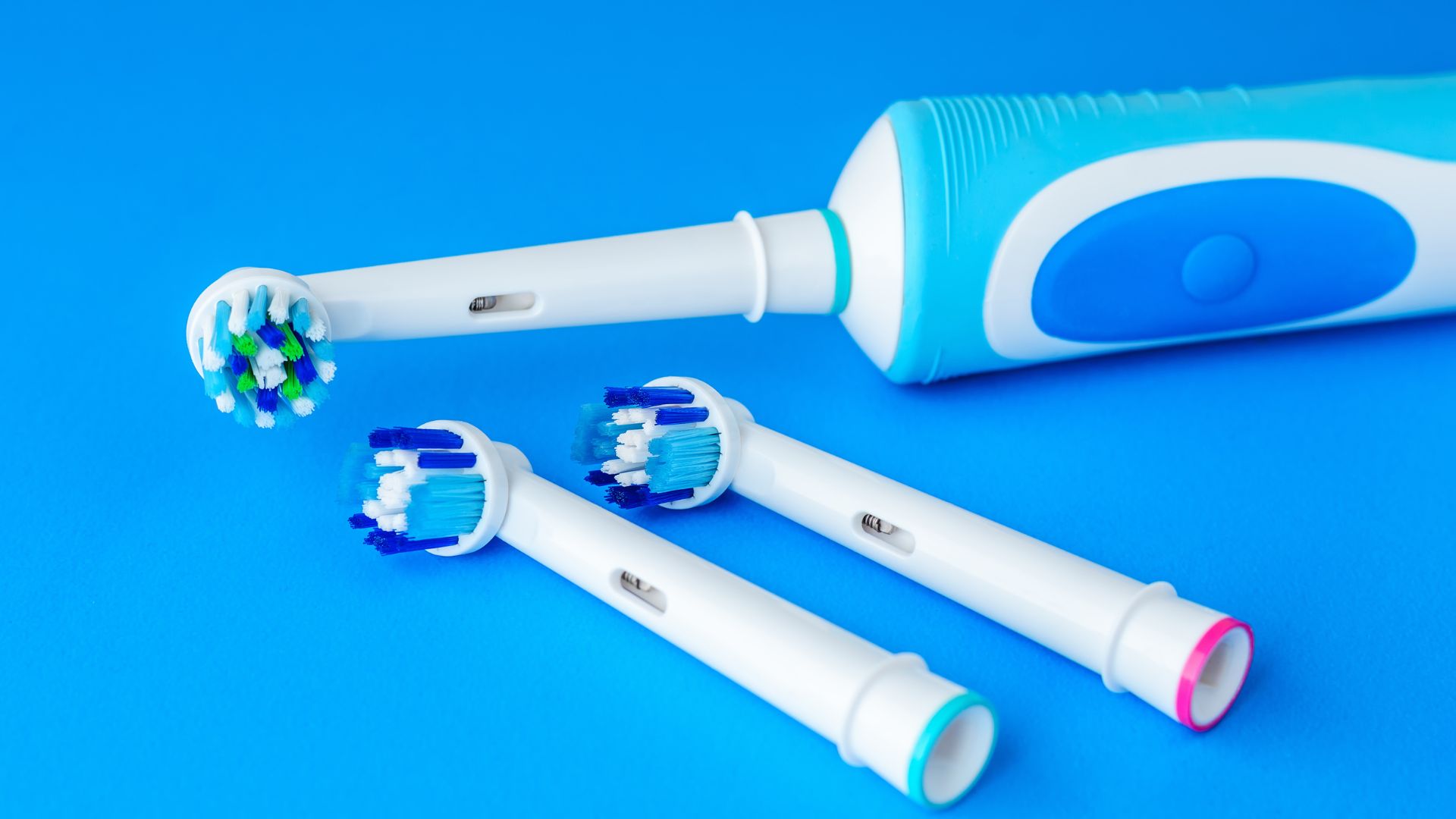
An electric toothbrush might be the most effective method for cleaning around brackets and wires. This is because the spinning movement of the bristles on an electric toothbrush can reach the pieces of food and bacteria that are trapped in your brackets and break them up. They will do this without damaging or breaking these brackets. Electric toothbrushes also have timers, which means you can set them to run for as long as you need to effectively clean your teeth.
Step By Step Instruction on Brushing Your Teeth with Braces
Follow these steps to understand the correct way to brush your teeth if you have braces. These steps will include rinsing your teeth to wash away food pieces and other debris before moving on to the proper places and methods for brushing your teeth around your braces.
- Rinse your mouth to loosen any food and debris
- Put a pea-sized amount of toothpaste on your toothbrush
- Brush along the gumline
- Brush above the bracket at a downward angle and brush below the bracket at an upward angle to remove any remaining food or debris from the brackets
- Brush the biting surfaces and use circular motions
- Brush the inside of your teeth near the tongue
- Rinse with water to wash away any other debris still hanging around your teeth
Avoiding Damage to Your Brackets & Wires While Brushing
Take the extra precautions necessary to avoid damaging the brackets and wires of your braces. Not only does this mean brushing with care, but it also means avoiding unnecessary mistakes that you could come to regret. Pay attention to what you’re doing when brushing and follow some cautionary steps to ensure you don’t damage your braces.
- Do not use whitening toothpaste
- No aggressive brushing
- No biting the toothbrush head
- Slow down and be careful around adjusted brackets
Common Brushing Mistakes that Can Damage Your Teeth
Only brushing once a day: The constant buildup of plaque and food in between your teeth and braces needs to be addressed more than once a day. If you can’t remove food between your braces, it will begin to harden and turn into hard tartar. It will also produce bacteria that begins to eat away your tooth enamel. When this happens, you can also get permanent discoloration on your teeth.
Not changing toothbrushes on a regular basis: Your toothbrush bristles actually wear down faster as a result of brushing them on metal wires and brackets. When they wear down, they’re ineffective at scrubbing away food and plaque. You should either replace your toothbrush or your toothbrush head every 6 to 8 weeks if you have braces to avoid these bristles wearing out.
Brushing too hard: Being too rough can break the wires and brackets on your braces. A forceful back-and-forth motion of brushing can snap wires and damage brackets if you’re not careful.
Not brushing at correct angles: If you’re not brushing at the correct angles, your toothbrush won’t be getting under the wires of your braces. Food hides underneath these wires, so you need to slide under in order to clean this food off your teeth. Otherwise, trapped food can cause hard tartar and tooth decay through the buildup of plaque.
What to Do with a Broken Bracket or Wire?
While it’s never ideal to break one of your brackets or your orthodontic wire, rest assured that your braces can be fixed. The first thing you should do is let your orthodontist know right away. Broken brackets and wires are fairly common and not a huge pain to fix. A simple visit to Ortho 99 can have these broken brackets and wires fixed in no time.
Contact Ortho 99 Plus One for a free consultation on orthodontic care. We are committed to providing quality, affordable care for those who need orthodontic treatment in the Jacksonville area. Whether it’s braces or Invisalign, the orthodontic care you need should not be unattainable. Trust us for affordable orthodontic services, including care for your braces to ensure a healthy smile. Learn how to brush teeth with braces properly and additional care that will transform your smile.
{{ORTHO_FAQS}}
Key Takeaways: Brushing Your Teeth with Braces
- Clean your teeth with a toothbrush that can effectively clear away food particles from your braces’ brackets and underneath orthodontic wire without damaging these materials.
- Carefully brush your teeth so you don’t make mistakes like brush too aggressively or bite down on your toothbrush head.
- Make sure to brush your teeth after meals to remove food that’s stuck in your braces.
- If you break a bracket or snap a wire, don’t panic but do call your orthodontist right away so they can quickly fix this for you.
How to Brush Teeth with Braces – FAQs
How many times a day should you brush with braces?
It's a good idea to brush after every meal, including snacks, if you have braces. Food can easily get stuck under the wires of your braces. Making sure you brush out food and debris after each meal is the best course of action. You should also make sure you brush one last time before bed, when you have a long break before another opportunity to clear out food and debris. Brushing five times a day for at least five minutes is a good baseline for how often you should brush teeth with braces.
What happens if you don’t keep your teeth clean with braces?
If you have braces, you should be brushing regularly to clean away food and debris that get stuck under your wires and in your brackets. If you're not doing this, you risk this old food turning into tooth decay and gum disease. Stuck food can also lead to permanent marks on your teeth.
Is it common to get cavities with braces?
Yes. The brackets and wires of braces trap food against your teeth, making them harder to clean out. When this happens, plaque starts to build up. If this plaque isn't addressed, cavities can result.
About Ortho 99 Plus 1

We're proud to provide expert orthodontic care in a welcoming, family-friendly environment across Jacksonville, FL. Our goal is simple: beautiful, healthy smiles that last a lifetime.
Learn more about usRecent Posts

Ceramic Braces VS Metal Braces: Which Is The Better Option For You?
September 30, 2026

How Do Braces Work & How Long Do They Take?
August 31, 2026

What Age Do Kids Get Braces?
July 31, 2026
Schedule a Consultation at Ortho 99 Plus 1
At Ortho 99 Plus 1, we are proud to provide orthodontic care that is modern, personalized, and focused on long-term success. We would love to welcome you in for a consultation and help you take the next step toward a healthier smile.
Schedule your free, no obligation consultation and get on your way to your new smile!
