What Is an Orthodontist & What Do They Do?

An orthodontist is a dentist with advanced training in diagnosing and treating issues related to teeth alignment, bite, and jaw position. Orthodontic treatment could be beneficial if you have crooked teeth, gaps, or a bite that does not line up well.
Orthodontists work with children, teens, and adults to achieve straighter teeth and a healthier bite. They prescribe treatments like braces, clear aligners, and retainers, depending on the dental needs and treatment objectives of their patients.
{{ORTHO_TAKEAWAYS}}
What Does an Orthodontist Do?
During an orthodontic exam, the orthodontist will evaluate the positioning of the teeth and jaws to determine their alignment and the appropriate treatment. The process can include a dental examination, X-rays, digital scans, photographs, or any other records that help diagnose the issue.
The orthodontist then establishes if treatment is needed and which type provides the most suitable solution. In some cases, only small adjustments may be necessary, while in others, more comprehensive treatment is required to correct the bite or jaw issues.
Crooked or Crowded Teeth
Misaligned teeth can overlap, rotate, or cross at odd angles. Crowding means that there is not enough room in the jaw for the teeth to fit properly. Brushing and flossing may become more of a challenge due to some areas being more difficult to reach.
The orthodontist examines the alignment of the teeth and available space before deciding on treatment. Braces can slowly shift the teeth to move them into a straighter position. The treatment plan may also need to create space in the dental arch in some instances.
Gaps Between Teeth
Gaps may be between two teeth or across multiple areas of the mouth. They can be caused by size differences between teeth and jaws, tooth loss, or other dental conditions.
An orthodontist will take a look at what is causing the gaps and decide if tooth movement is indicated. Many spaces can be closed with braces and clear aligners, but it depends on the problem at hand. If the gap is associated with missing teeth or some other dental issue, then treatment might need to be coordinated with a general dentist or another dental specialist.
Overbite, Underbite, Crossbite, and Open Bite
Bite problems are issues with the way the upper and lower teeth meet when the mouth is closed. Common examples include:
Overbite: Upper front teeth overlap lower front teeth more than normal.
Underbite: The bottom front teeth protrude forward over the top front teeth.
Crossbite: Some upper teeth are inside the lower ones instead of outside of them.
Open Bite: Some upper and lower teeth do not align when the mouth is closed.
These conditions vary in severity and cause. The orthodontist examines the teeth and jaws to see if braces, Invisalign, growth-related treatment, or a combination of these options can correct the issue.
Jaw Alignment Problems
Many orthodontic issues are not just about the position of the teeth but also the relationship of the upper and lower jaw. Asymmetrical jaw development can cause an imbalance in the bite or face.
An orthodontist examines these relationships and discusses the options. Some cases can be treated with orthodontic devices alone. But if there is a greater discrepancy between the jaws, the case may need to be treated with multidisciplinary care that includes an oral and maxillofacial surgeon. Treatment is based on the patient’s age, the nature of the problem, and its severity.
What Is the Difference Between an Orthodontist and a Dentist?
Dentists and orthodontists are both dental professionals, though their education and main focus vary.
General dentist
- Provides routine dental examinations and preventive care
- Treats cavities, gum problems, and other common dental conditions
- Performs procedures such as fillings and certain restorative treatments
- May identify orthodontic concerns and refer patients to a specialist
Orthodontist
- Completes additional specialty training in tooth movement and bite correction
- Treats crowding, spacing, and many bite problems
- Plans and monitors treatment using braces and clear aligners
- Evaluates orthodontic problems and develops specialized treatment plans
Orthodontists complete dental school, then additional years of orthodontic training. The key areas of this training are alignment issues, dental development, bite relationships, and tooth movement.
While a general dentist can offer some orthodontic care if properly trained and qualified, an orthodontist has a specialized education in these areas.
The two professionals frequently collaborate. A patient might need a dentist for a cavity treatment before starting braces or may go to a general dentist for regular check-ups while in braces.
What Services and Treatments Does an Orthodontist Provide?
Every patient’s orthodontic treatment is different. Before recommending a method, an orthodontist will take a look at the kind of alignment problem they are addressing, dental health, age, and treatment goals.
Traditional Braces
Braces employ brackets and wires to exert the controlled pressure that slowly pushes teeth into place. They can correct a variety of alignment and bite issues, including cases that involve more complicated tooth movement.
Metal braces are the most prevalent, but ceramic braces use tooth-colored or less visible brackets. The decision is made based on clinical requirements, preference, and cost.
Treatment typically involves regular check-ups to track progress and provide adjustments. During treatment, patients will also need to maintain good oral hygiene to prevent the buildup of plaque, cavities, and gum inflammation.
Invisalign and Other Clear Aligners
Clear aligners are transparent trays that gradually shift teeth. Patients switch to new trays depending on the treatment plan, and each included tray is crafted to make different adjustments.
People who don’t want to wear fixed braces find them appealing because of how they look and how easily they come off. Aligners can be removed to eat, brush teeth, and floss, but should be worn as prescribed during treatment.
Invisalign is one clear-aligner system, but it isn’t the right choice for every patient. Braces are the best option in some cases, especially if more complex tooth movements are needed. An orthodontist can determine which is the right choice after checking your teeth.
Retainers
Treatment alone doesn’t guarantee that your teeth stay in their new positions. Teeth move with time, and that’s why orthodontists recommend retainers following braces or aligner therapy.
Retainers can be removable or fixed behind the teeth. Your orthodontist will tell you how to use the recommended type and for how long. Adhering to those instructions keeps the effects of treatment safe.
Orthognathic Surgery
If orthodontic appliances are not enough to correct the jaw discrepancy, orthognathic surgery may be a treatment option. This is a procedure that alters the position of the upper jaw, lower jaw, or both in order to help them fit together better.
The treatment is a joint effort between the orthodontist and the oral and maxillofacial surgeon. Pre- and post-surgical care may be necessary to realign teeth and achieve a functional bite.
Only a small number of orthodontic patients require jaw surgery. It is usually reserved for more complicated situations where the jaw position has a major impact on the bite or other aspects of oral function.
When Should You See an Orthodontist?
While a noticeable gap in the teeth or crooked teeth are common issues that bring people in for an evaluation, there are others. An appointment also might be helpful if your teeth aren’t aligned, chewing is uncomfortable, or your dentist has detected an issue with your bite.
The best age to visit an orthodontist is not the same for everyone.
Children: The American Association of Orthodontists advises a child’s first orthodontic appointment at about age seven. An orthodontist can evaluate the growth of the permanent teeth and jaws at this age. Most children do not require immediate treatment, but an early assessment can find issues that might be addressed in a timely manner.
Teenagers: Many teenagers start orthodontic treatment when permanent teeth have mostly come in. These are the years when braces or clear aligners can fix crowded, gapped, and bite-related issues. The optimal time varies according to dental development and desired correction.
Adults: It’s not too late to address alignment problems as an adult. Braces and clear aligners can also work for adults, as long as their teeth and gums are healthy enough to receive treatment. If you have existing gum disease, cavities, or other oral health problems, they may require treatment first.
You don’t need to wait for the problem to get worse. If you have any concerns about your bite or teeth alignment, an evaluation can tell whether your teeth need straightening.
Why Is Orthodontic Treatment Important?
The advantages of orthodontics are not just straight teeth, although this is a result of the treatment in certain cases.
Maintaining oral hygiene: Overlapping or crowded teeth may not be easy to clean with toothbrushes and floss. Some surfaces may become easier to access if they align better, but it’s still important to maintain good oral hygiene to avoid tooth decay and gum disease.
Correcting the bite: If the top and bottom teeth don’t line up well, it can be uncomfortable to chew food and some teeth may be under more stress than others. If the bite is corrected, this will help with the fit of the teeth.
Reducing the risk of damage: Certain bite and alignment issues may increase tooth wear or may make certain teeth more prone to damage. Depending on the cause, treatment can help to mitigate these risks.
Feeling more comfortable with your smile: For people who are self-conscious about crooked teeth or gaps, improved alignment can make them feel more confident about their appearance.
Not all dental issues are eligible for orthodontic treatment. For instance, jaw pain and speech problems may be caused by something other than misaligned teeth. An orthodontist can determine if your specific issue is likely to improve with orthodontic treatment.
Do You Want to See If Orthodontics Is Right for You?
The first step when deciding to get braces or clear aligners is to determine what is being corrected and what options are available to you. Your orthodontist will take a look at your teeth, discuss the options, and let you know what your treatment plan would look like.
Ortho 99 Plus 1 can help you consider your orthodontic treatment options. Schedule an appointment to talk about your concerns and determine if treatment is necessary.
{{ORTHO_FAQS}}
Key Takeaways: What Is an Orthodontist?
- Orthodontists are dentists who specialize in diagnosing and treating issues related to teeth alignment, bite, and jaw position.
- The most frequent orthodontic issues are underbites, overbites, crossbites, gaps, open bites, and crowded teeth.
- Orthodontists offer services like clear aligners, retainers, and traditional braces.
- Orthodontists have extra training in the area of tooth movement and bite correction, whereas general dentists offer routine dental care.
- While treatment requirements and timing differ, children, teens, and adults can benefit from an orthodontic evaluation.
- Carefully designed orthodontics can help straighten teeth, correct bite function, and increase access to hard-to-clean areas.
What Is an Orthodontist? FAQs
At What Age Should a Child See an Orthodontist?
The American Association of Orthodontists recommends that your child’s first orthodontic evaluation happen by age 7. Dental and jaw development can be assessed during this visit.
It doesn’t necessarily mean that every kid should get braces at this age. Some children may require early treatment and others can wait until they have more permanent teeth.
What Can an Orthodontist Do That a Dentist Can’t?
An orthodontist receives extra specialist training in correcting tooth alignment and bite issues. While general dentists can detect orthodontic issues and offer preventive and restorative care, an orthodontist specializes in diagnosis and treatment of orthodontic problems. Services provided by individual dentists may differ based on their training and qualifications.
What Are the Most Common Orthodontic Problems?
Overbites, underbites, crossbites, gaps, open bites, and crowded or crooked teeth are examples of common orthodontic issues. Some patients also suffer from misalignment of the jaws and the way the teeth fit together. An orthodontist can identify what is causing the issue and if treatment is necessary.
About Ortho 99 Plus 1

We're proud to provide expert orthodontic care in a welcoming, family-friendly environment across Jacksonville, FL. Our goal is simple: beautiful, healthy smiles that last a lifetime.
Learn more about usRecent Posts

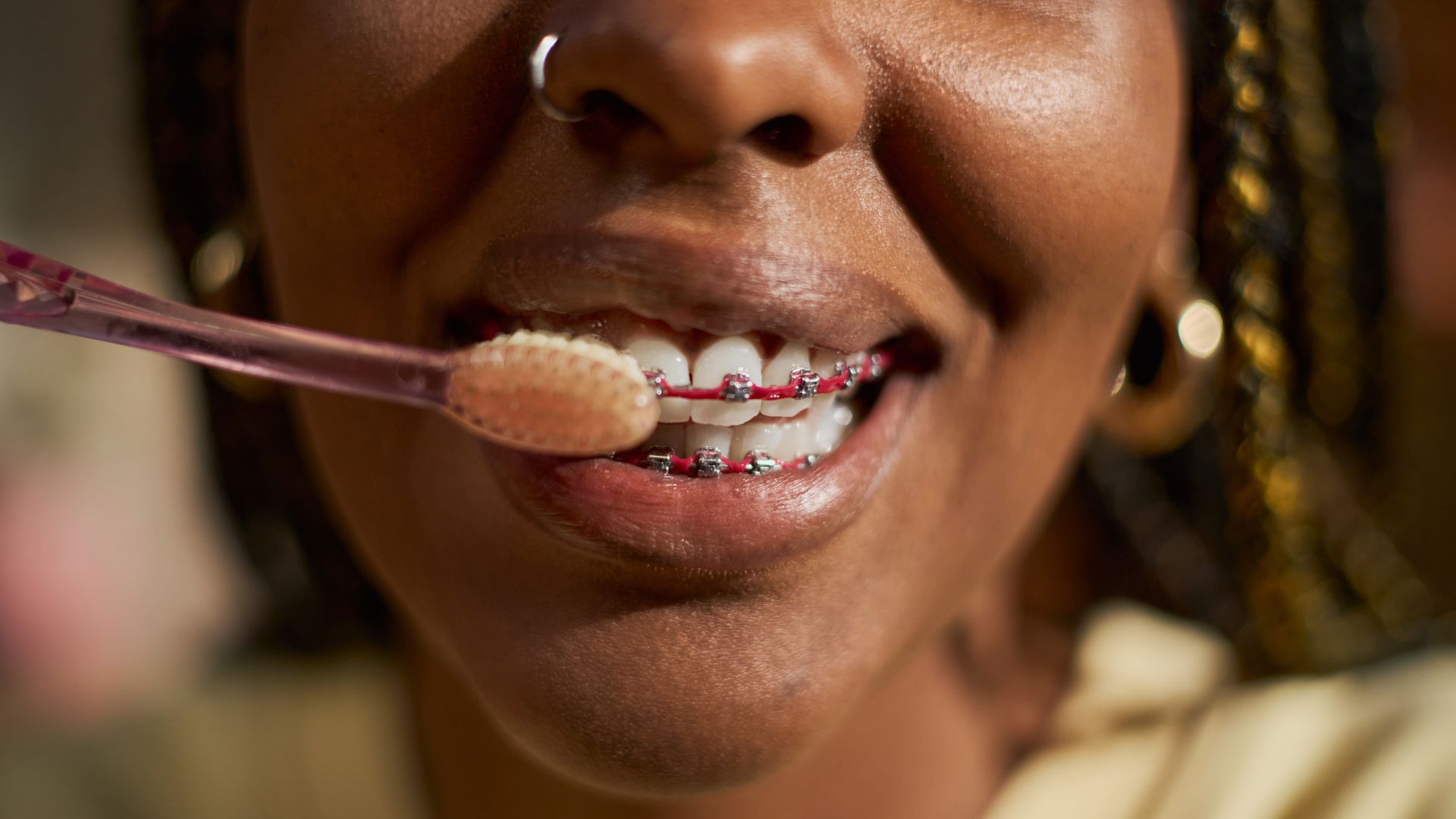
How to Brush Your Teeth with Braces and Not Damage Them
September 30, 2026

Ceramic Braces VS Metal Braces: Which Is The Better Option For You?
September 30, 2026
Schedule a Consultation at Ortho 99 Plus 1
At Ortho 99 Plus 1, we are proud to provide orthodontic care that is modern, personalized, and focused on long-term success. We would love to welcome you in for a consultation and help you take the next step toward a healthier smile.
Schedule your free, no obligation consultation and get on your way to your new smile!
